Seasonal Guide: Preparing Documents for Tax Season


Understanding the Importance of Tax Season Preparation
As tax season approaches, the task of organizing and preparing your documents can seem daunting. However, with some strategic planning and organization, you can make the process smoother and less stressful. It's crucial to start early and understand what documents are essential for a complete and accurate tax return.

Gathering Personal Information
The first step in preparing for tax season is gathering all necessary personal information. This includes your Social Security Number (SSN), and if applicable, the SSNs of your spouse and dependents. Ensuring this information is accurate is vital for processing your tax return correctly.
Additionally, make sure you have a copy of the previous year’s tax return. This can be incredibly helpful for reference, ensuring that nothing is overlooked when preparing your current year’s return.
Collecting Income Documents
Next, collect all income-related documents. This typically includes W-2 forms from employers, 1099 forms for contract work, and any other income statements. If you have multiple streams of income, it's important to document each one thoroughly.
Don't forget about any investment income, rental properties, or other sources of income that may require additional documentation. Keeping these documents organized will help in accurately reporting your total income.
Organizing Expense Receipts
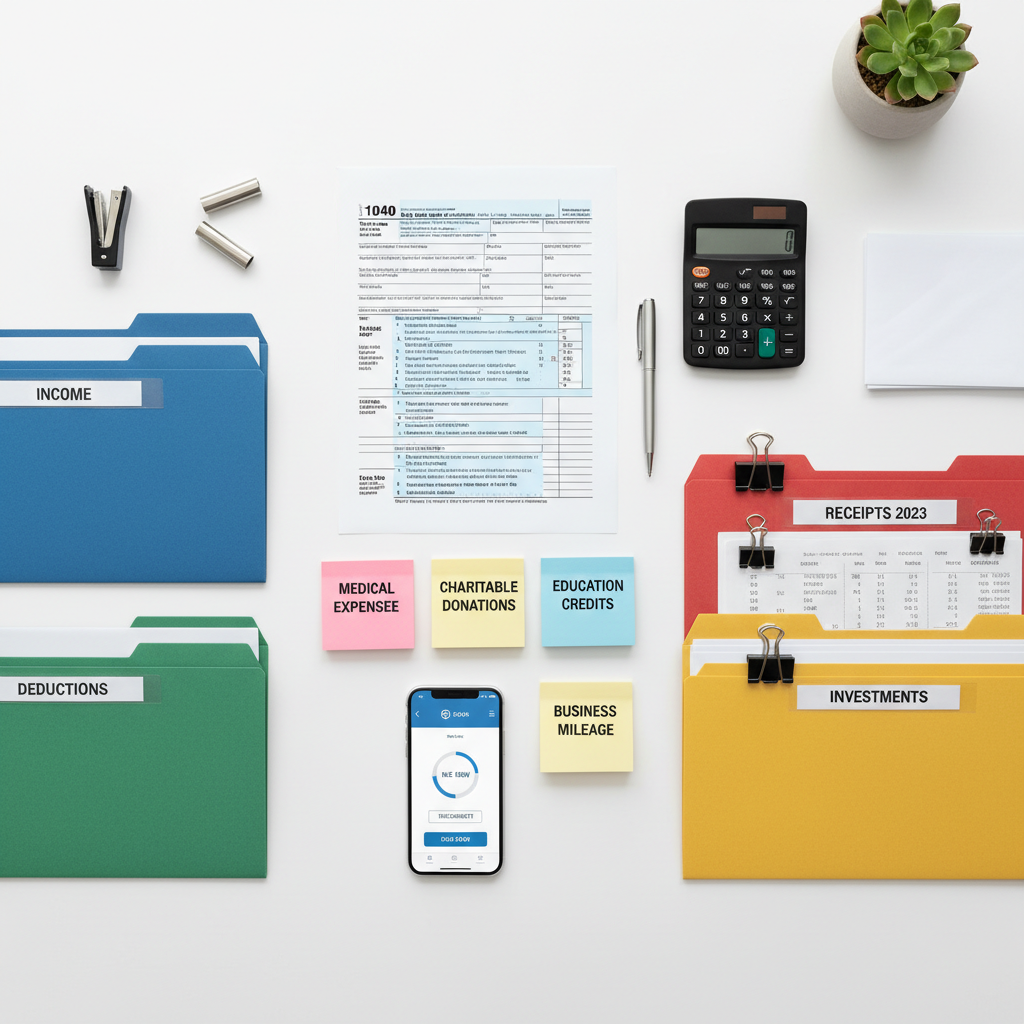
Tax deductions can significantly impact your return, so it's important to organize any receipts that can be used to claim deductions. Common deductible expenses include medical bills, charitable donations, and home office expenses. Keep these receipts in a dedicated folder or digital file for easy access.
If you’re self-employed or operate a small business, tracking business expenses is essential. Consider using software or apps that help in categorizing and storing these transactions to streamline the process.
Understanding Tax Credits
Tax credits can also reduce your overall tax liability. Be aware of credits you might qualify for, such as the Earned Income Tax Credit (EITC) or Child Tax Credit. Understanding the requirements and having the necessary documentation can ensure you benefit from these credits.

Working with a Tax Professional
For many, consulting a tax professional is a wise investment. They can provide guidance tailored to your specific situation, helping you maximize deductions and credits while ensuring compliance with tax laws. Prepare a list of questions or concerns you might have to make the most of your consultation.
Remember, a well-prepared tax return can not only reduce stress but also potentially increase your refund or decrease the amount you owe. Start early, stay organized, and seek professional advice if needed to navigate the tax season with confidence.