Top Tips for Preparing Your Documents for Notarization


Understanding the Importance of Notarization
Notarization is a crucial step in validating and authenticating various legal documents. It helps prevent fraud and ensures that the involved parties are genuine and fully aware of the document's contents. Whether you're dealing with real estate contracts, affidavits, or any other legal paperwork, proper preparation is key to a smooth notarization process.
Before heading to a notary public, it's essential to ensure that all your documents are in order. This preparation not only saves time but also minimizes the risk of having your documents rejected. Here are some top tips to help you prepare effectively.

Ensure All Documents Are Complete
Before visiting a notary, double-check that your documents are complete. This means all necessary fields should be filled out, and there should be no blank spaces that can be exploited. Incomplete documents might be turned away, causing unnecessary delays in your process.
It's also wise to have multiple copies of your documents. A notary might need to keep one for their records, and having extras ensures you have sufficient copies for all parties involved.
Verify Identity Requirements
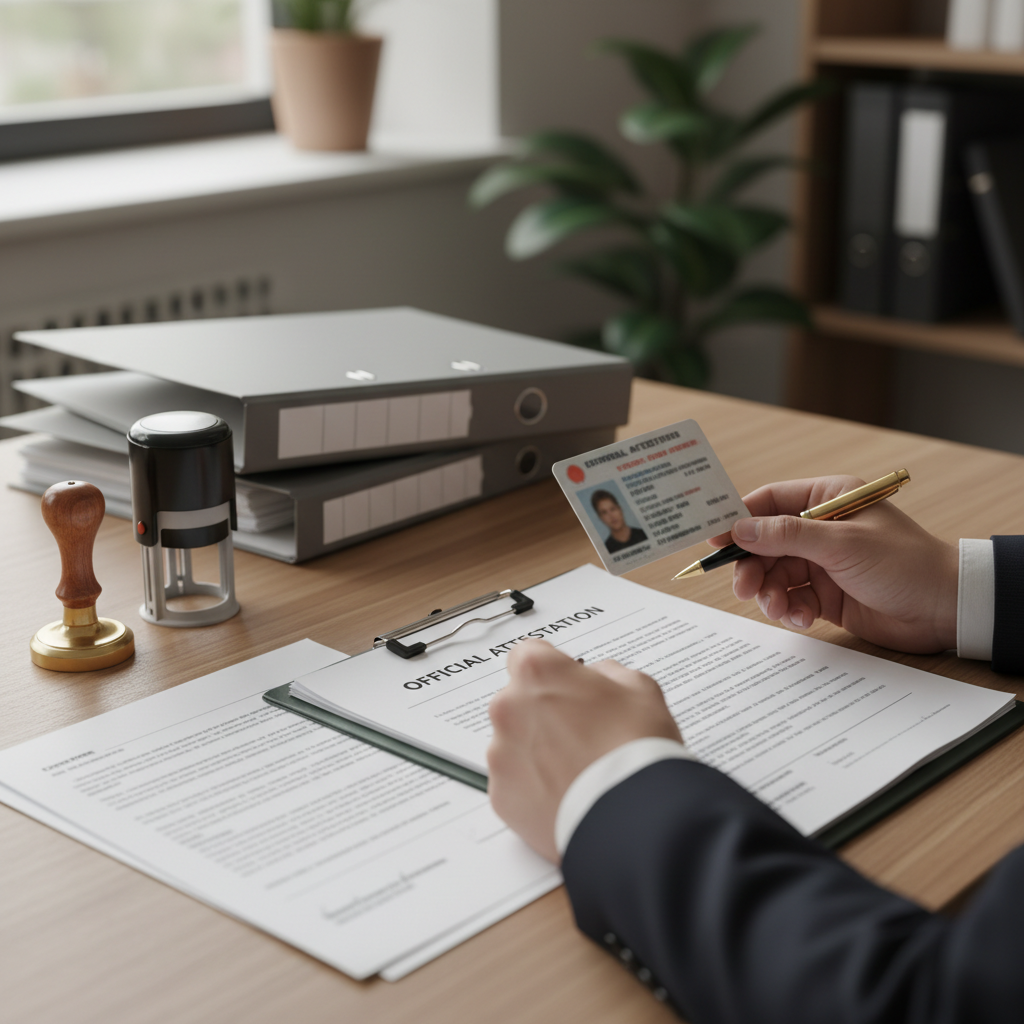
Notaries require valid identification to verify the identity of the signing parties. Ensure that you bring a government-issued ID, such as a driver's license or passport. The identification must be current and bear a photo, signature, and other identifying details.
Organize Your Documents
Having your documents well-organized can significantly expedite the notarization process. Arrange them in the order they need to be signed, and use tabs or sticky notes to indicate where signatures are required. This simple step helps avoid confusion and ensures that nothing is overlooked.
Make sure that the documents are free from any marks or alterations. Any discrepancies might raise red flags and could lead to the notarization being denied.
Understand the Types of Notarization
There are different types of notarization, such as acknowledgments and jurats. An acknowledgment verifies the identity of the signer and their willingness to sign, while a jurat involves swearing an oath regarding the truthfulness of the document.
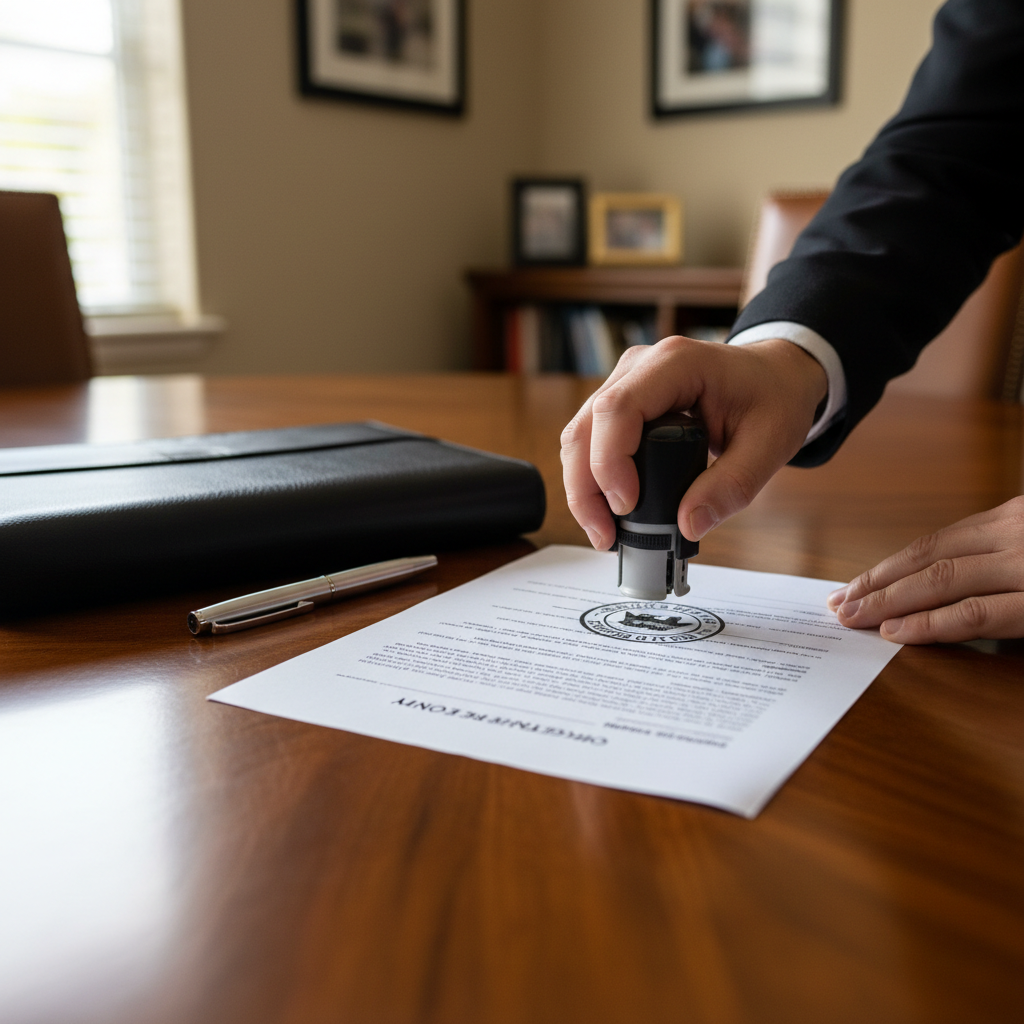
Understanding the type of notarization you need will help you prepare appropriately. If unsure, consult with the notary beforehand to clarify any doubts.
Communicate with the Notary
It's beneficial to contact the notary ahead of time to ensure they are available and can accommodate your needs. Some documents may have specific requirements or language that a notary may need to review before notarization.
By discussing your documents in advance, you can avoid last-minute surprises and ensure that everything is in line with legal standards.
Review and Double-Check
Before heading to the notary, take a final moment to review all your documents and ensure everything is in order. Double-check names, dates, and any other pertinent details to ensure accuracy.
Preparatory steps like these help streamline the notarization process and ensure that your documents are ready for whatever legal purpose they serve. With these tips, you'll be well-prepared for a successful notarization experience.