Understanding the Importance of Notarizing Wills and Power of Attorney


Understanding the Importance of Notarizing Wills and Power of Attorney
When planning for the future, ensuring that your legal documents like wills and power of attorney are properly notarized is crucial. Notarization is a step that provides authenticity and legitimacy, playing a vital role in safeguarding your intentions and ensuring they are legally recognized.
Many people overlook the importance of notarizing these documents, which can lead to complications and disputes later on. In this blog post, we'll explore why notarization is essential and how it can protect your interests.

What is Notarization?
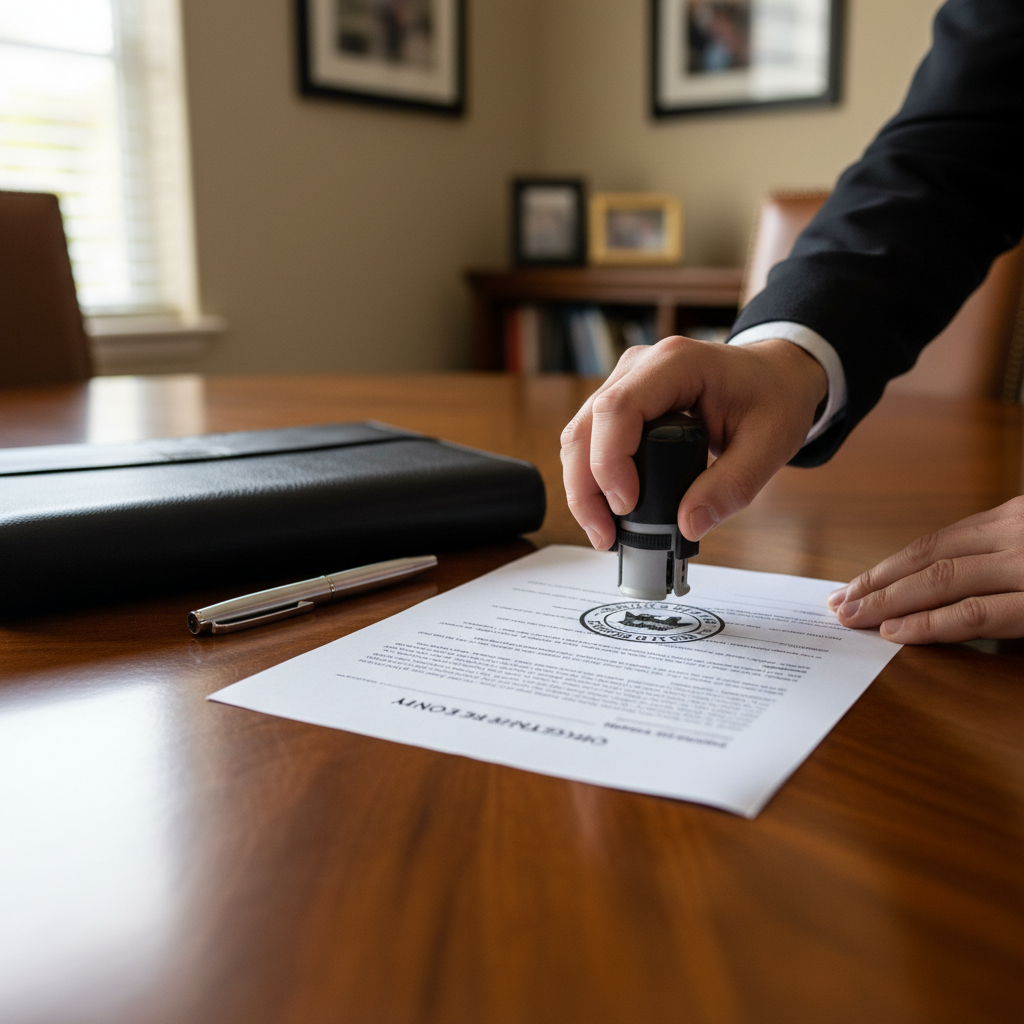
Notarization is the process of certifying a document by a notary public, a state-appointed official. The notary verifies the identity of the signatories and ensures that they are signing the document voluntarily and with full understanding of its content. This process adds a layer of trust and authenticity to the document.
By notarizing a will or power of attorney, you are creating a legal record that can be relied upon in court, minimizing the risk of disputes and potential fraud.
The Role of Notarization in Wills
Wills are critical documents that outline how your assets will be distributed after your death. Notarizing a will helps in assuring that your final wishes are clear and legally binding. It prevents potential challenges from family members or other parties who might contest the will's validity.

A notarized will is more likely to be accepted by courts without the need for additional proof, simplifying the probate process and reducing stress for your loved ones during an already difficult time.
Why Notarize a Power of Attorney?
A power of attorney grants someone the authority to make decisions on your behalf, should you become unable to do so. Notarizing this document ensures that your chosen representative has the recognized legal power to act in your best interests.
- Prevents unauthorized claims of authority
- Ensures the document is accepted by financial institutions and healthcare providers
- Protects your interests by confirming your intent

The Consequences of Not Notarizing
Failing to notarize these vital documents can lead to significant legal challenges. Without notarization, there may be questions about the document's authenticity, leading to potential legal battles and delays.
For example, an unnotarized will might be disputed by heirs, resulting in lengthy court proceedings. Similarly, a power of attorney that is not notarized may be rejected by banks or hospitals, hindering the ability of your representative to act.
Steps to Notarize Your Documents
Notarizing your documents is a straightforward process. Here's how you can ensure your wills and power of attorney are properly notarized:
- Find a qualified notary public in your area.
- Bring valid identification and the documents to be notarized.
- Sign the documents in the presence of the notary.
- Ensure the notary applies their seal and signature to the documents.
By taking these simple steps, you can add a significant layer of protection to your legal documents.
In conclusion, notarizing your wills and power of attorney is an essential step in legal planning. It provides peace of mind that your wishes are documented and enforceable. By understanding and taking action to notarize these documents, you safeguard your future and the future of those you care about.